Why "A Bad Day at Work" Embroidery Design Works
As a designer who has spent years digitizing patterns and testing them on everything from delicate silk to heavy denim, I approach every new machine embroidery design with a critical eye. We have all seen those trendy text-based graphics that look fantastic on a screen but turn into a tangled mess of thread breaks and puckering once they hit the needle. That is why I took a close look at A Bad Day at Work is Better Than a Good. This piece falls under the broad categories of Crafts and Graphics, but for us in the trade, it is a potential asset for custom apparel and home decor.
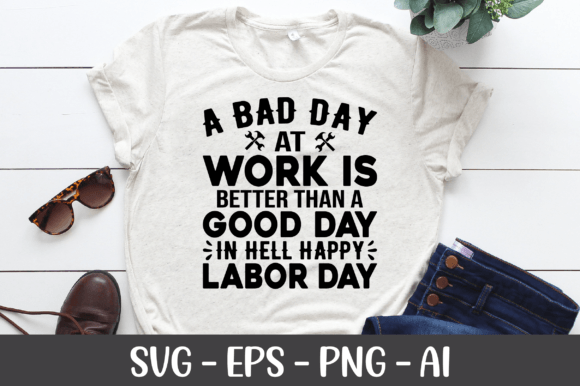
The first impression of this design is its relatability. It captures a specific, dry humor that resonates with a wide audience. Visually, the layout suggests a balance between readability and decorative flair. When I evaluate a design like this, I am not just looking at the font choice; I am thinking about stitch path efficiency and how the negative space will behave on different materials. The theme is casual, which means it naturally belongs on items meant for comfort and daily wear rather than formal attire.
Real-World Application: The Custom Tote Test
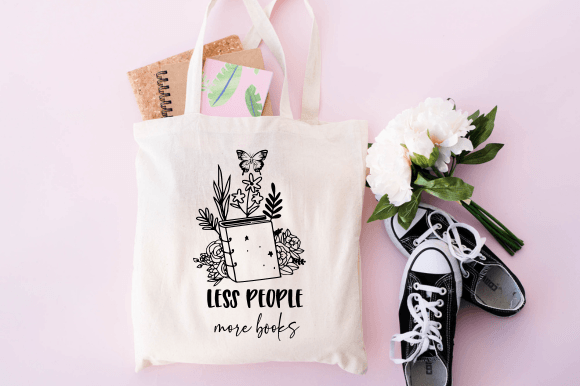
To truly understand the value of an embroidery file, you have to imagine it in a real project. Let’s say a client comes to your small shop requesting a personalized gift for a friend who is starting a high-stress job. You decide to use this design on a canvas tote bag. This is a classic scenario for an Etsy seller or a boutique owner.
In this context, the design needs to hold up against the coarse texture of canvas. If the lettering is too thin, it might get lost in the weave. If it is too dense, the bag might pucker around the hoop marks. With A Bad Day at Work is Better Than a Good, the visual weight seems substantial enough to stand out on a tote. It creates a statement piece that is both functional and humorous. For a handmade product, this kind of wit adds perceived value because it feels curated and personal, not mass-produced.
Versatility Across Product Lines
Beyond tote bags, where else does this design shine? I see strong potential in sweatshirt embroidery. A crewneck sweatshirt provides a stable, thick fabric base that handles fill stitches well. The design could sit centered on the chest for a bold look or smaller on the sleeve for a subtle accent. For custom apparel shops, offering this as part of a "work life" collection could drive engagement.
Consider also the market for embroidered patches. Patches are forgiving because they are often stabilized heavily before application. This design could be turned into an iron-on or sew-on patch for jackets or backpacks. It appeals to the same demographic that buys enamel pins—people who want to express their personality through accessories. Additionally, for holiday embroidery gifts, this could be stitched onto an apron for a colleague’s Secret Santa present. It is safe, funny, and appropriate for office environments.
Technical Considerations for Stitching
Now, let’s talk about the technical side. Since this is a digital download, you are receiving vector and graphic files, including AI, SVG, and EPS formats. Note that these are design assets for cutting or printing, but if you are converting them for machine embroidery, you must be careful. If the provider includes a specific embroidery file format, always check the stitch density.
For text-based designs, satin stitch is often used for smaller letters, while fill stitch is better for larger, bolder text. If this design uses primarily satin columns, you need to watch the width. Satin stitches wider than 7mm can snag easily. If it uses fill stitches, ensure the underlay is sufficient to prevent the fabric from showing through, especially on dark fabrics. Always test the design on scrap fabric first. This is non-negotiable for professional results.
Pay attention to thread colors. High contrast is key for readability. A light thread on a dark navy sweatshirt will pop, but a grey thread on a heather grey shirt will vanish. Use your software to preview the design in black and white to check for clarity. If the details are too fine, they may not stitch out cleanly on textured fabrics like terry cloth towels or fuzzy fleece.
Navigating Fabric and Hoop Constraints
Not every surface is suitable for this type of graphic. While it works well on stable cottons and canvases, be cautious with stretchy knits unless you use a cut-away stabilizer. Stretchy fabrics can distort the text, making it look wavy or unprofessional. Also, consider the hoop size. If the phrase is long, it might require a large hoop, such as a 5x7 or 6x10 inch frame. Ensure your machine can handle the size before committing to a project.
Curved surfaces like caps present another challenge. Embroidering on a cap requires specialized hoops and often a stiffer stabilizer. The curvature can distort the baseline of the text. If you plan to offer this as a cap embroidery service, you might need to arch the text digitally before stitching to compensate for the dome shape. Always do a test run on a similar cap material to check for registration issues.
Commercial Viability and Brand Trust
For craft business owners, the quality of your finished product directly impacts customer trust. A clean, well-stitched design signals professionalism. Sloppy stitching, thread nests, or puckering can lead to returns and negative reviews. By choosing a design like A Bad Day at Work is Better Than a Good and executing it with proper technique, you enhance your brand consistency. It shows that you understand current trends and have the technical skill to deliver them.
This design also works well for printable mockups if you are selling the digital file itself or promoting your services online. A high-quality photo of the embroidered item on a lifestyle background can significantly boost buyer engagement. It helps customers visualize the finished product in their own lives.
Final Designer Notes
Before you launch this design in your shop, review the licensing terms. Since this is a digital download, confirm whether it allows for commercial use of the physical items you create. Most designers allow you to sell the finished embroidered goods, but reselling the digital file itself is usually prohibited. Check the included documentation carefully.
Also, remember that you are receiving vector files like SVG and EPS. These are great for cutting machines or print-on-demand services, but if you need a native embroidery file (like PES or DST), ensure it is included or that you have the software to convert it properly. Conversion can sometimes alter stitch paths, so manual editing may be required to optimize the design for your specific machine.
In summary, A Bad Day at Work is Better Than a Good is a versatile, humorous addition to any designer’s library. It fits seamlessly into the world of modern Crafts and Graphics, offering plenty of opportunities for creative expression. Whether you are making a personalized gift for a friend or stocking your small shop product line, this design holds up well under scrutiny. Just remember to respect the technical limits of your equipment and materials, and you will produce items that customers love to wear and use.