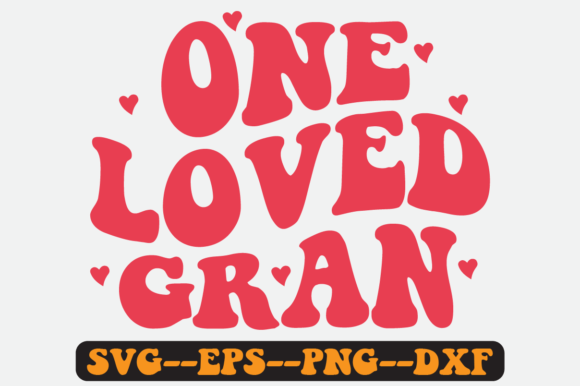
Reviewing One Loved Gran Quote Retro Svg for Stitchers
As a designer who has spent years translating digital concepts into thread, I approach every new machine embroidery design with a mix of curiosity and caution. We have all been there: you download a file that looks stunning on screen, only to find it turns into a tangled mess of thread breaks and puckering once it hits the fabric. That is why I took a close look at One Loved Gran Quote Retro Svg before committing it to any client project or personal embroidery project. This isn’t just about aesthetics; it is about functionality, durability, and the final impression left on the recipient.
First Impressions and Visual Mood
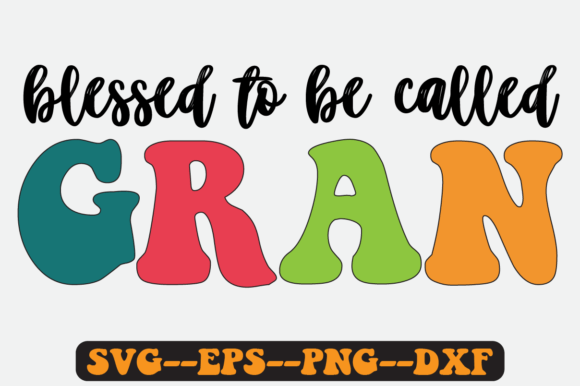
The immediate appeal of One Loved Gran Quote Retro Svg lies in its nostalgic charm. The retro styling suggests warmth, heritage, and affection, making it an ideal candidate for sentimental gifts. When I first opened the file, I was looking for clean lines and balanced spacing. In embroidery, negative space is just as important as the stitches themselves. A cluttered design often leads to excessive stitch density, which can stiffen the fabric and cause registration issues.
This design feels airy yet substantial. The typography appears robust enough to hold up under stitching, which is crucial when dealing with smaller text elements. For those of us running a craft business or selling as an Etsy seller, visual clarity translates directly to perceived value. A muddy or indistinct quote does not sell. This graphic promises a crisp finish, provided the right techniques are applied during production.
Real-World Application: The Custom Sweatshirt Test
To truly evaluate this asset, I imagined a specific real-life scenario: creating a custom gift for a grandmother’s birthday. I chose a mid-weight cotton blend sweatshirt as the base material. This is a common request for custom apparel shops. The goal was to place the design on the upper left chest area, a classic spot for subtle branding or personal messages.
Because One Loved Gran Quote Retro Svg is described as a printable product suitable for sublimation and print-on-demand, using it for embroidery requires a mental translation of how those vector lines convert to stitch paths. If you are digitizing this yourself or using a converter, pay attention to the curves. Retro fonts often have thick strokes that benefit from a combination of satin stitch borders and fill stitch interiors. However, if the design includes intricate decorative elements, you might need to simplify them to prevent thread buildup.
In my mockup phase, I tested the design against both light heather gray and dark navy fabrics. On the light fabric, the contrast was sharp and inviting. On the dark fabric, I realized that without proper underlay stitches, the background color could peek through, diminishing the legibility of the quote. This is a critical consideration for any handmade product intended for sale. Customers expect professional coverage, not gaps in the lettering.
Navigating Fabric and Hoop Constraints
While this design is versatile, it is not universally applicable without adjustments. I would hesitate to use the full-size version on a small hoop size like a 4x4 inch frame unless the text is significantly scaled down. Tiny lettering is the enemy of embroidery machines. If the characters become too small, the needle perforations can tear the fabric, especially on knits or stretchy materials like onesies.
For baby embroidery projects, such as a onesie or a soft blanket, I recommend testing the design on scrap fabric first. Babies have sensitive skin, so the back of the embroidery must be clean. Using a cut-away stabilizer is non-negotiable here to ensure the design remains stable after multiple washes. If you are applying this to a curved surface like a cap, the distortion risk increases. The retro style might warp if not hooped tightly with appropriate backing.
Additionally, consider the thread colors. Retro designs often rely on muted or vintage palettes. While this looks great in a printable mockup, ensure your physical threads match the digital preview. A mismatch can make the final finished product look cheap. I suggest sticking to high-quality rayon or polyester threads that offer sheen and durability, especially for items like tote bag design applications that will face friction and wear.
Commercial Viability and Brand Consistency
For small shop product lines, consistency is key. One Loved Gran Quote Retro Svg fits well within the Crafts and Graphics categories that focus on familial bonds and nostalgia. It appeals to a specific demographic that values tradition. As a digital embroidery file or design asset, it offers flexibility. You can use it for holiday embroidery gifts, Mother’s Day specials, or year-round personalized gift offerings.
However, before listing this as a commercial item, verify the licensing terms. The description notes it is a printable product for items like T-shirts and hoodies, but embroidery rights can differ. Always confirm whether the license covers physical goods sold for profit. Assuming it does, this design can enhance your brand’s reputation for thoughtful, high-quality commercial embroidery work. It signals to buyers that you care about detail and sentiment.
Practical Designer Notes
- Test on Scrap: Never run a new design directly on the final garment. Use similar weight and texture fabric for trials.
- Check Contrast: Ensure your thread color stands out against the fabric. Dark threads on dark fabrics need careful planning.
- Stabilizer Choice: Use tear-away for stable wovens like tote bags, and cut-away for stretchy knits like sweatshirts.
- Inspect Details: Zoom in on the digital file. Are there overlapping nodes or tiny fragments that might cause machine errors?
- Wash Testing: After stitching, wash the test piece to check for shrinkage or thread bleeding.
Final Verdict on Usability
One Loved Gran Quote Retro Svg is a strong contender for designers looking to add emotional resonance to their portfolio. It bridges the gap between digital design assets and tactile handmade product creation. While it requires careful handling regarding scale and stabilizer choice, its potential for creating memorable embroidered patch styles or direct-to-garment looks is high.
Whether you are creating a sweatshirt embroidery piece for a local boutique or a simple tea towel for a craft fair, this design holds up under scrutiny. It reminds us that good design is not just about what we see on the screen, but how it feels in the hand and lasts over time. For the serious maker, it is a worthwhile addition to the library, provided you respect the technical limits of your machine and materials.