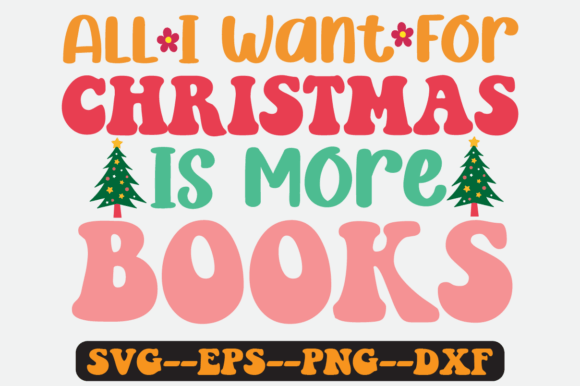
Review: All I Want for Christmas is More Books
As a designer who has spent countless hours digitizing and testing files for client projects, I have learned that the difference between a charming handmade item and a professional-grade product often comes down to the source artwork. When I first encountered All I Want for Christmas is More Books, my initial reaction was one of relief. In a sea of overly complex holiday graphics that turn into thread nightmares on the machine, this design offers a refreshing balance of retro aesthetic and practical simplicity.
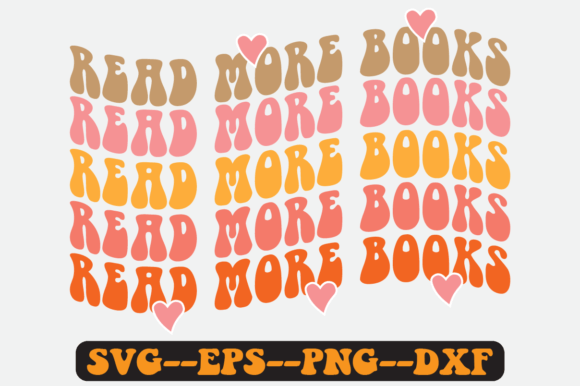
The mood this piece creates is cozy, intellectual, and quietly festive. It does not scream for attention with excessive glitter or dense fill stitches. Instead, it relies on clean lines and a nostalgic typography style that resonates deeply with book lovers. For embroidery designers and small business owners, this visual personality is gold. It fits naturally into the current trend of "quiet luxury" in handmade goods, where subtlety signals quality.
Real-World Application: The Holiday Tote Test
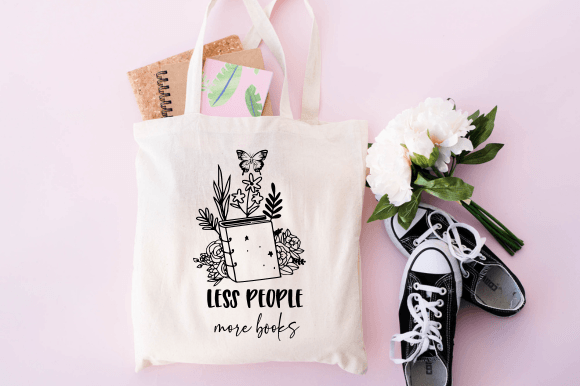
To truly evaluate a design, you must imagine it stitched out. I recently considered using this graphic for a custom embroidered tote bag project intended for a local indie bookstore’s holiday promotion. The concept was simple: a natural canvas tote with the quote centered in a deep forest green thread.
In this scenario, All I Want for Christmas is More Books performed exceptionally well. The layout is balanced, meaning it does not pull excessively to one side, which is crucial for maintaining the structural integrity of a tote bag handle area. The retro style of the text complements the raw texture of canvas fabric without getting lost. Customers are likely to react positively because the design feels personal and curated, rather than mass-produced. It transforms a simple accessory into a statement piece that aligns with the buyer’s identity as a reader.
Versatility Across Product Lines
One of the strongest assets of this design is its adaptability. While it shines on tote bags, its potential extends far beyond. For apparel decorators and Etsy sellers, this graphic is a versatile tool for various custom apparel items.
- Sweatshirt Embroidery: Placed on the left chest or centered on the back, the design adds a touch of whimsy to neutral-toned hoodies. The retro font pairs beautifully with heather grey or cream fabrics.
- Baby Embroidery: For onesies or baby blankets, scaling the design down creates an adorable gift for literary parents. However, care must be taken with stitch density to ensure softness against sensitive skin.
- Embroidered Patch: This design is ideal for iron-on or sew-on patches. The clear boundaries of the letters allow for clean satin stitch borders, making it durable for jackets or backpacks.
- Home Decor: Imagine this stitched onto a pillow cover or a kitchen tea towel. It serves as subtle holiday embroidery that can remain up throughout the winter season, not just December.
For craft business owners, having a design that works across multiple categories reduces the need to purchase separate files for different niches. It streamlines your inventory of design assets and allows for cohesive branding across your small shop product lines.
Technical Considerations and Stitching Clarity
While the visual appeal is high, practical execution requires attention to detail. As an experienced reviewer, I advise checking the specific file details before loading it into your machine. Since this is described as a printable product with SVG and PNG options, those using it for sublimation will find it straightforward. However, for those converting this into a machine embroidery design, several factors come into play.
Stitch Density and Thread Colors
If you are digitizing this from the provided SVG or using a pre-digitized version, pay close attention to stitch density. Retro fonts often have thick strokes. If the fill stitch is too dense, the fabric may pucker, especially on thinner materials like long-sleeve t-shirts. Conversely, if the density is too low, the backing fabric might show through. I recommend testing on scrap fabric first to find the sweet spot. High-contrast thread colors, such as white on navy or red on cream, enhance the readability of the lettering.
Fabric Texture and Stabilizer
The success of any embroidery project depends heavily on the stabilizer. For stretchy fabrics like sweatshirts, a cut-away stabilizer is essential to prevent distortion. For woven fabrics like aprons or tote bags, a tear-away may suffice, but a light cut-away ensures longevity after washing. Textured fabrics can sometimes obscure fine details, so ensure the design size is large enough to maintain clarity.
Where to Use Caution
Not every surface is suitable for every design. While All I Want for Christmas is More Books is robust, there are limitations. Avoid using this on very small hoop sizes if the text becomes illegible. Tiny lettering can merge together if the stitch count is not optimized for reduction. Additionally, be cautious with curved surfaces like caps. The flat nature of the text may distort if not properly hooped with a cap frame and appropriate backing.
Dark fabrics require careful color selection. Ensure your thread colors have enough contrast against the background. A dark green thread on a black shirt will vanish. Always test your design in black and white mockups to check for value contrast before committing to expensive threads.
Commercial Viability and Brand Consistency
For commercial embroidery and digital product sellers, this design offers strong marketability. It taps into the evergreen niche of reading lovers while adding a seasonal twist. This increases its shelf life compared to generic "Merry Christmas" graphics. Using this in your finished product lineup can enhance brand consistency if your shop focuses on cozy, intellectual, or handmade aesthetics.
Buyer engagement often hinges on perceived value. A well-stitched, thoughtful design like this builds customer trust. It shows that you care about quality and detail. Whether used for personalized gifts or boutique branding, it elevates the perceived worth of the item.
Final Designer Notes
Before launching this into your craft business or using it for client work, take these final steps:
- Verify Licensing: Confirm whether the license allows for commercial use of finished physical items. This is critical for Etsy sellers and small shop owners.
- Check File Formats: Ensure you have the correct format for your workflow. If you are stitching, you need a proper embroidery file format (like PES, DST, or JEF), not just the SVG or PNG mentioned for printing. If the product only provides print files, you will need to digitize it yourself or purchase a separate embroidery version.
- Test Washability: Stitch a sample, wash it, and dry it. Check for thread breakage or fabric puckering. This step is non-negotiable for professional results.
In conclusion, All I Want for Christmas is More Books is a standout choice for designers seeking a blend of charm and practicality. It respects the constraints of embroidery while delivering a message that resonates. With proper technical preparation, it can become a staple in your holiday collection, driving sales and delighting customers who appreciate the joy of reading.